

Vitamin B12 restores metabolic balance in a PUF60 spliceosomopathy model
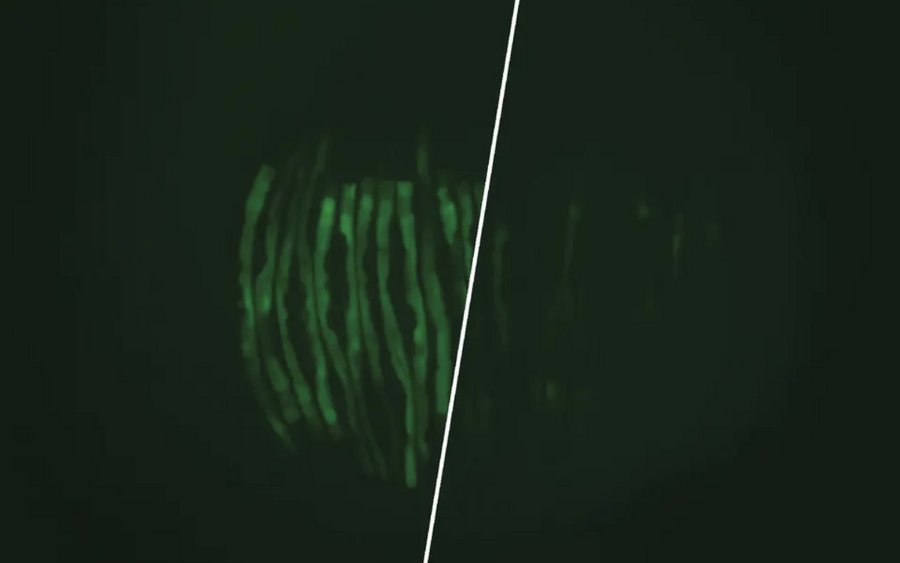
A study published in Nature Communications identifies a connection between defective RNA splicing and altered lipid metabolism in PUF60-related disease. PUF60 is a core splicing factor. Pathogenic variants cause Verheij syndrome, a rare disorder associated with developmental delay, growth restriction and short stature.
Using a Caenorhabditis elegans model, human cells and samples from individuals with Verheij syndrome, the researchers found that reduced PUF60 function disrupts the splicing of genes involved in one-carbon metabolism and phospholipid remodelling. These changes impaired methionine-cycle activity and phosphatidylcholine synthesis, activated cellular stress responses and reduced mTORC1 signalling, contributing to developmental growth defects in the model.
Vitamin B12 supplementation restored key metabolic processes and rescued Verheij-like growth phenotypes in the worm model. The study also identified related metabolic changes in human cells and patient blood samples. These findings suggest that vitamin B12-dependent metabolism may offer a new direction for research into PUF60-related disease and other spliceosomopathies. Further studies are needed to determine whether this approach could benefit patients; the results do not establish vitamin B12 as a treatment for Verheij syndrome. Further work into vitamin B12 supplementation for individuals with PUF60 deficiency will follow this work.
Reference: Kölschbach J, Dafsari HS, Baum E, et al. Vitamin B12 alleviates spliceosomopathy via phospholipid remodeling. Nat Commun. 2026 Aug 7;17(1):8011. doi: 10.1038/s41467-026-76295-9.